blog
Wall Street Journal
Germany Shuts Door on Patent Trolls
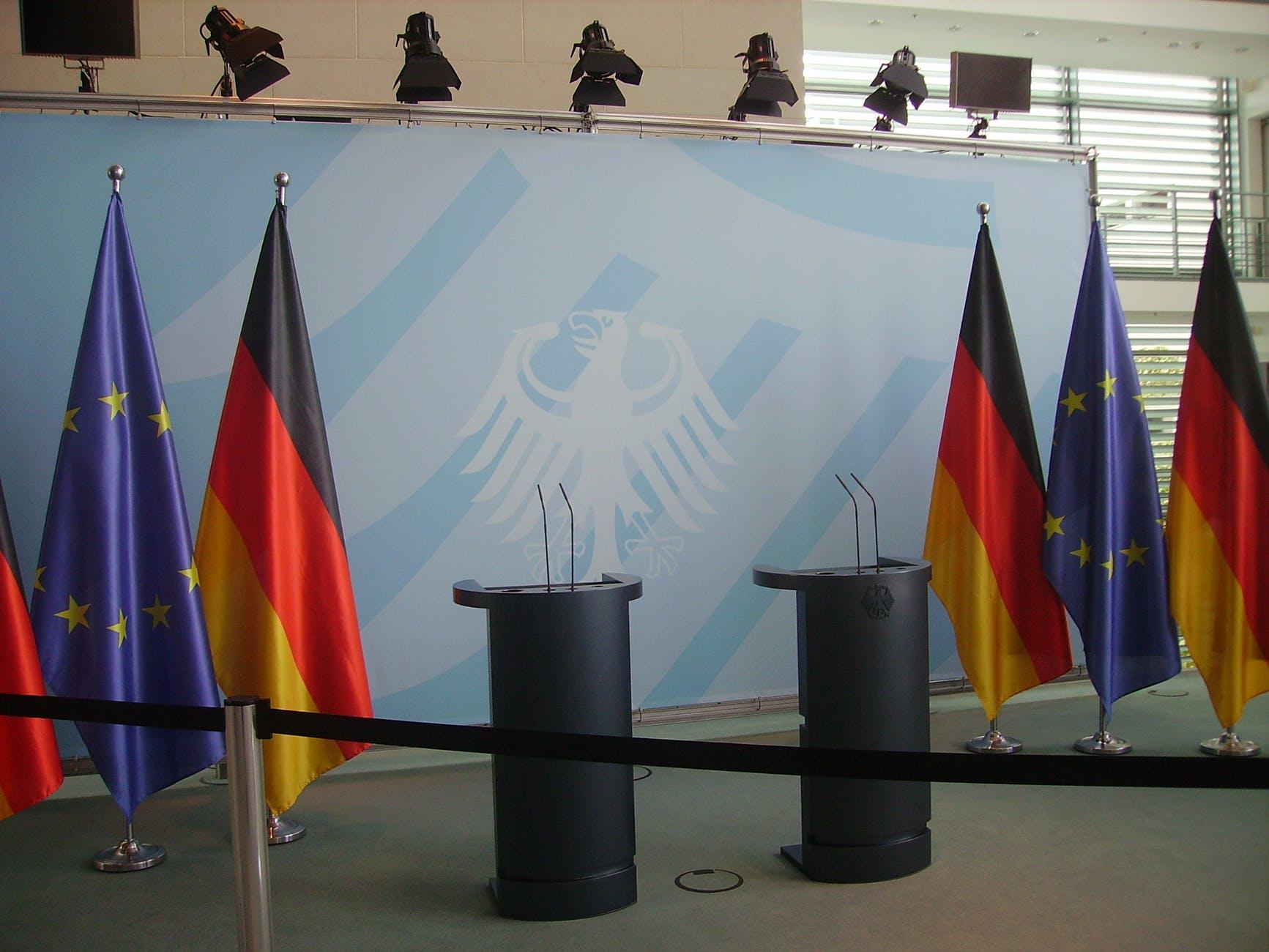
Germany on Friday removed a legislative quirk that had made it a prime destination for globally active patent litigators who increasingly target fast-growing tech companies. Under the new legislation, courts examining a patent claim will conduct a proportionality check to decide whether an injunction would cause “undue hardship” to the alleged infringer or any third party. Ludwig von Reiche, IP2Innovate's board member told Wall Street Journal, that the law was an important step towards creating a better balance between patent and innovation protection. It remains to be seen how judges apply the new law, he added.
Share
Other press coverage

Statement by IP2Innovate in reaction to Commissioner Breton’s comments about the European patent system
“IP2Innovate welcomes Commissioner Breton’s today and we support his call for a balanced and effective European IP system,” said Patrick Oliver, Executive Director of IP2Innovate.

WIPR
Implementers praise German patent reforms
Implementers have welcomed reforms to Germany’s laws which weaken patent owners’ right to an injunction if successful in litigation, but their impact on case law remains to be seen.
IP2Innovate
IP2Innovate calls on the European Commission to strengthen EU law to ensure a balanced patent system and enhance Europe’s competitiveness
BRUSSELS, 25 March 2024 - IP2Innovate is calling for targeted amendments to EU intellectual property law to ensure that European patent courts consider the proportionality of remedies in their handling of patent litigation cases.
The proposed amendments will help create a more balanced patent system. This will spur innovation and, in turn, help to address Europe’s lagging competitiveness.
The 2004 EU IP Rights Enforcement Directive (IPRED) requires that remedies for patent infringement be applied in a proportionate manner, but courts are handing out injunctions to patent owners in effect automatically, without considering the disproportionate impact that may result.