
blog
IP2Innovate

IP2Innovate Submits Recommendations for Modernizing the Dutch Patent Act
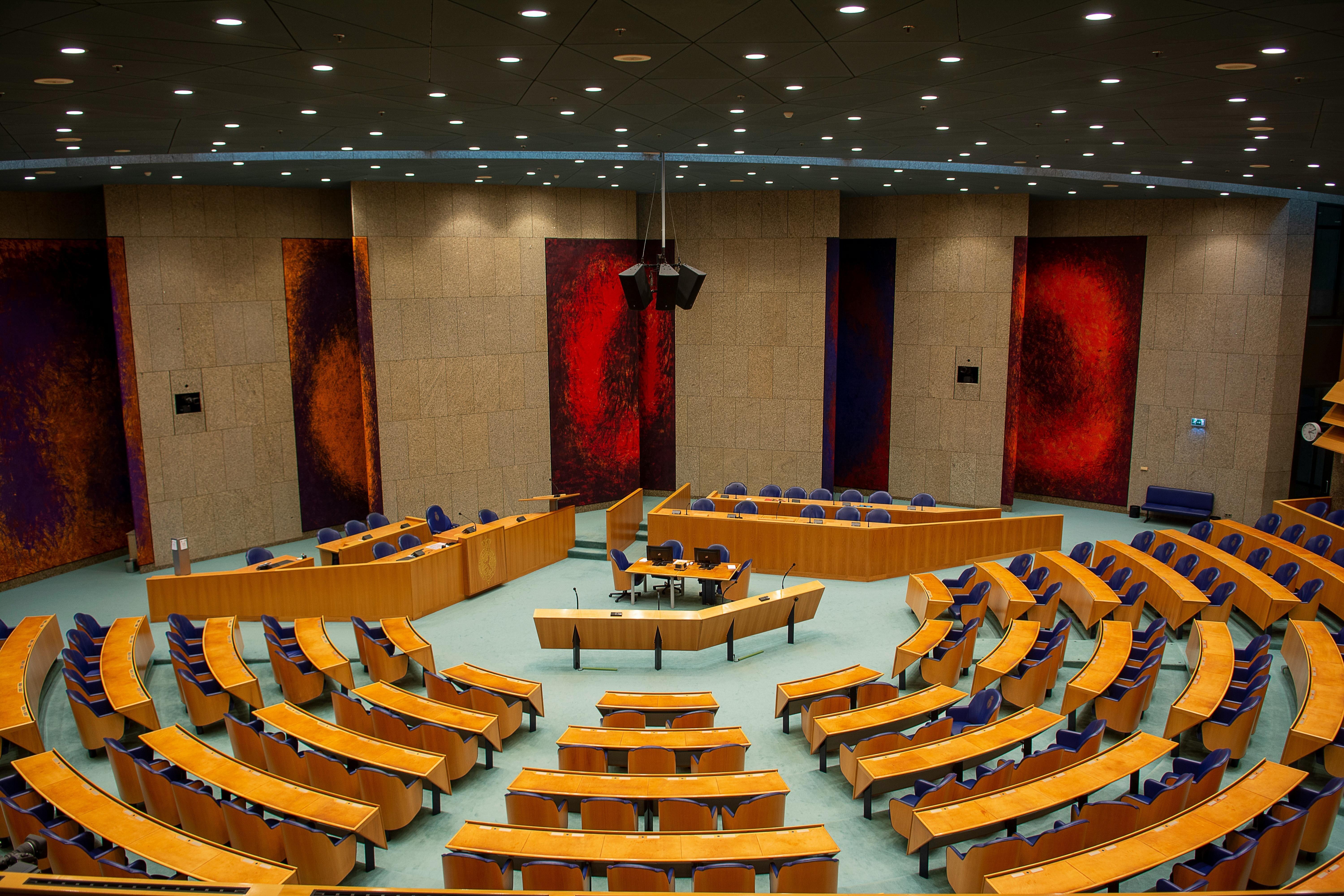
IP2Innovate has submitted its response to the public consultation on the modernization of the Dutch Patent Act. The response recommends applying proportionality to remedies for patent infringements, incorporating IPRED Article 3(2) into the Dutch Patent Act, and ensuring future-proof patent legislation that enables an innovative and competitive economy.

These recommendations address the issue of injunctions being granted automatically in patent disputes, without a proportionality assessment, creating risks for innovative companies and potentially stifling competition. A more consistent approach to proportionality would foster a more competitive and innovation-driven business environment in the Netherlands.

Click here to see our public response to the consultation. 

Share

Other blogs

IP2Innovate

Professors Hofmann and Raue: Taking proportionality seriously in the Unified Patent Court

Two German law professors, Dr Franz Hofmann and Dr Benjamin Raue have pooled forces to publish a joint paper this week on the delicate issue of injunctions and damages for the infringement of patents. The paper, entitled ‘Injunctions and Damages for the Infringement of Patents under the UPCA; an Analysis in the Light of the Principle of Proportionality’ calls for a more nuanced approach to patent infringement cases, and it urges judges of the recently launched UPC to consider damages instead of automatic injunctions as a remedy in their rulings.
IP2Innovate

IP2I calls on European Commission to protect Europe’s patent system from abuse

A new academic study by economists at the universities of Bordeaux, Grenoble, and Universitat Pompeu Fabra (Barcelona) highlights how patent assertion entities (PAEs) are continuing to take advantage of weaknesses in Europe’s patent system. The study, entitled Patent Privateering, looks at one specific method of patent abuse. Patent privateering is a term to describe a situation where a patent owner hands patents to a patent assertion entity (PAE) to exploit for mutual benefit, allowing the patent owner to maintain a secret stake in the patents. The study concluded that patent privateering is widespread in Europe. The practise has been around for many years but as other jurisdictions including the US have made it harder, Europe’s patent system is a ripe target for abuse. This is largely because patent courts in Europe do not apply the principle of proportionality, and instead hand out injunctions to patent owners almost automatically.
IP2Innovate

UPC wrangling over transparency risks undermining Europe’s patent court ambitions

The launch of Europe’s long-awaited Unified Patent Court has been rocked by an internal argument over transparency. New rules proposed last month would make secrecy the default, not transparency, and industry is not happy.
Back to overview

Subscribe to our newsletter

Privacy policy

© IP2Innovate 2025 - Website door Two Impress